Cable Straps
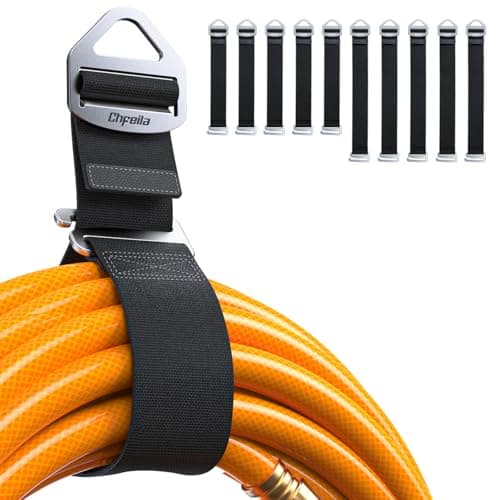
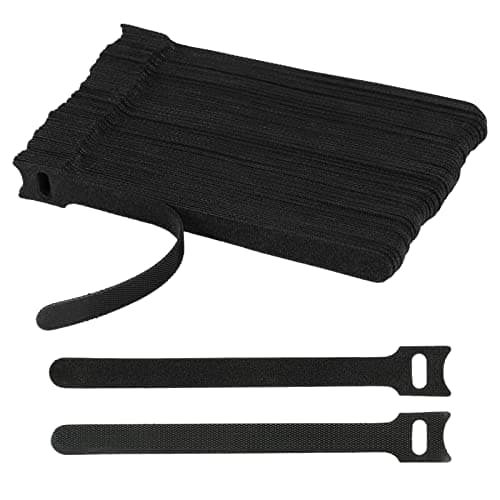
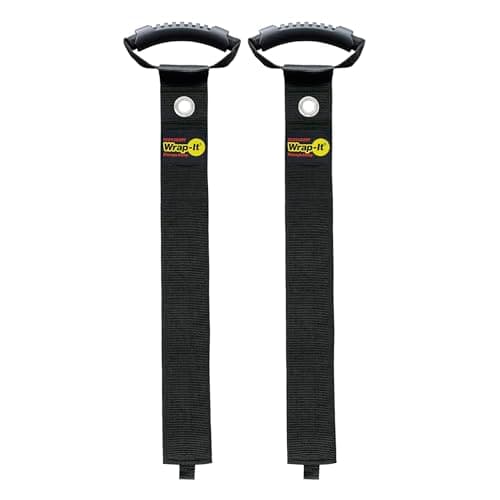
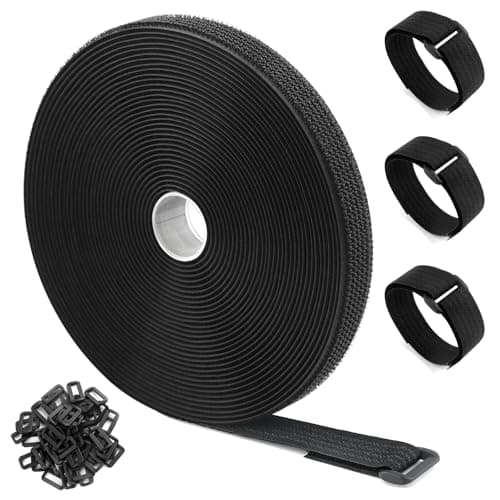
Cable Straps: A Comprehensive Guide to Organization and Management

Cable straps are the unsung heroes of organization, keeping our tangled messes of wires and cords neat and tidy. From managing computer cables behind your desk to securing wires in industrial settings, these simple tools offer a practical and effective solution for a variety of applications. They come in various materials, sizes, and designs, each tailored to specific needs and environments.
What makes cable straps so special is their versatility and ease of use. Unlike more complex cable management systems, straps are quick to install and adjust, making them ideal for both temporary and permanent applications. They help prevent tripping hazards, protect cables from damage, and improve the overall aesthetics of any space. The ability to bundle, secure, and route cables efficiently contributes significantly to safety and productivity.
The importance of cable straps extends beyond mere aesthetics. In data centers, for example, proper cable management is crucial for maintaining airflow and preventing overheating. In homes and offices, organized cables reduce clutter and make it easier to identify and troubleshoot issues. The right cable strap can make a world of difference in maintaining a safe, efficient, and visually appealing environment.
History
- Early forms of cable management involved simple ties and wraps made from natural materials like twine or leather.
- The invention of nylon cable ties in the mid-20th century revolutionized cable management, offering a durable and cost-effective solution.
- As technology advanced, so did cable strap designs, with the introduction of hook-and-loop straps, reusable options, and specialized straps for specific industries.